Spain's National Dance Award 2024
Luz Arcas | La Phármaco
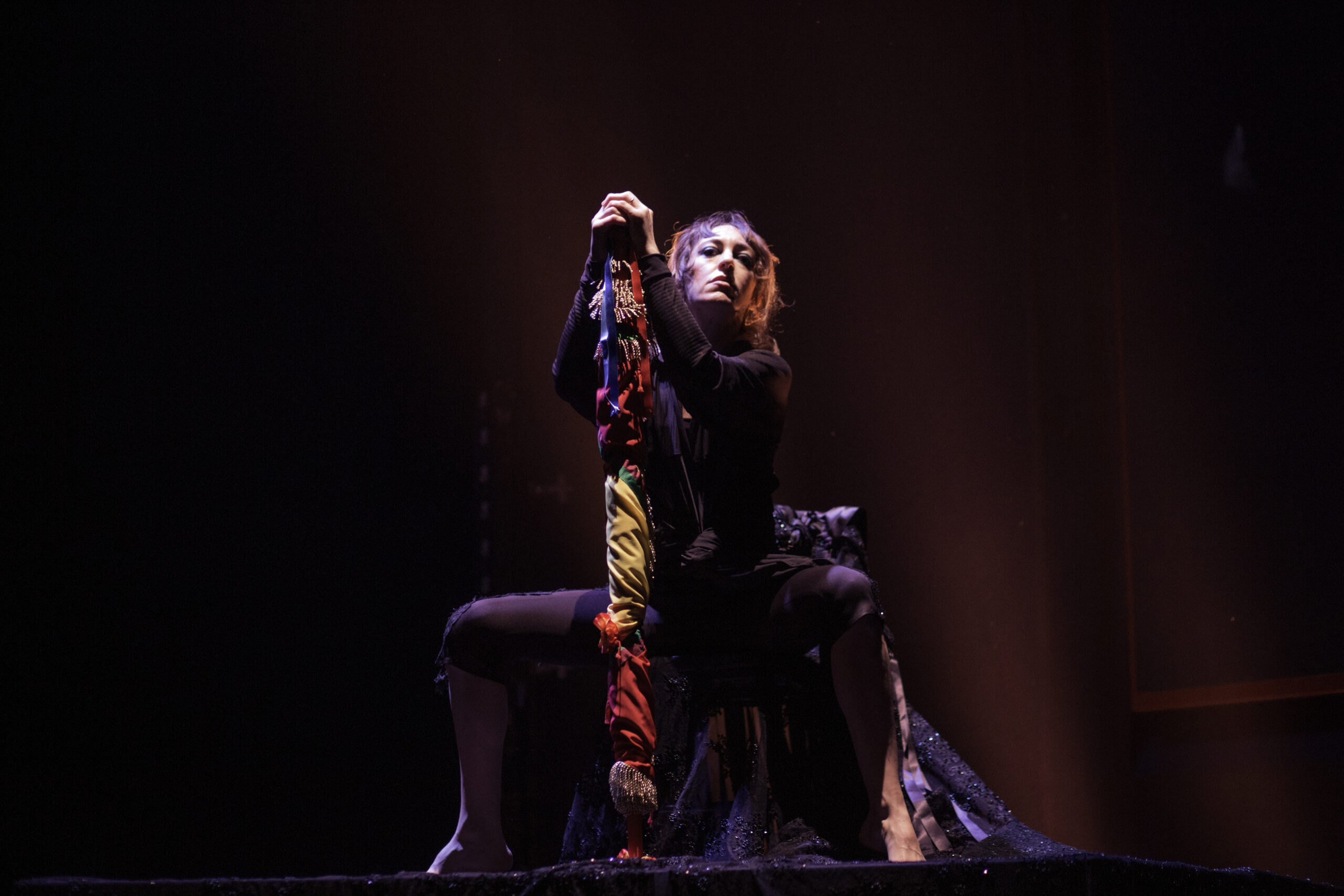
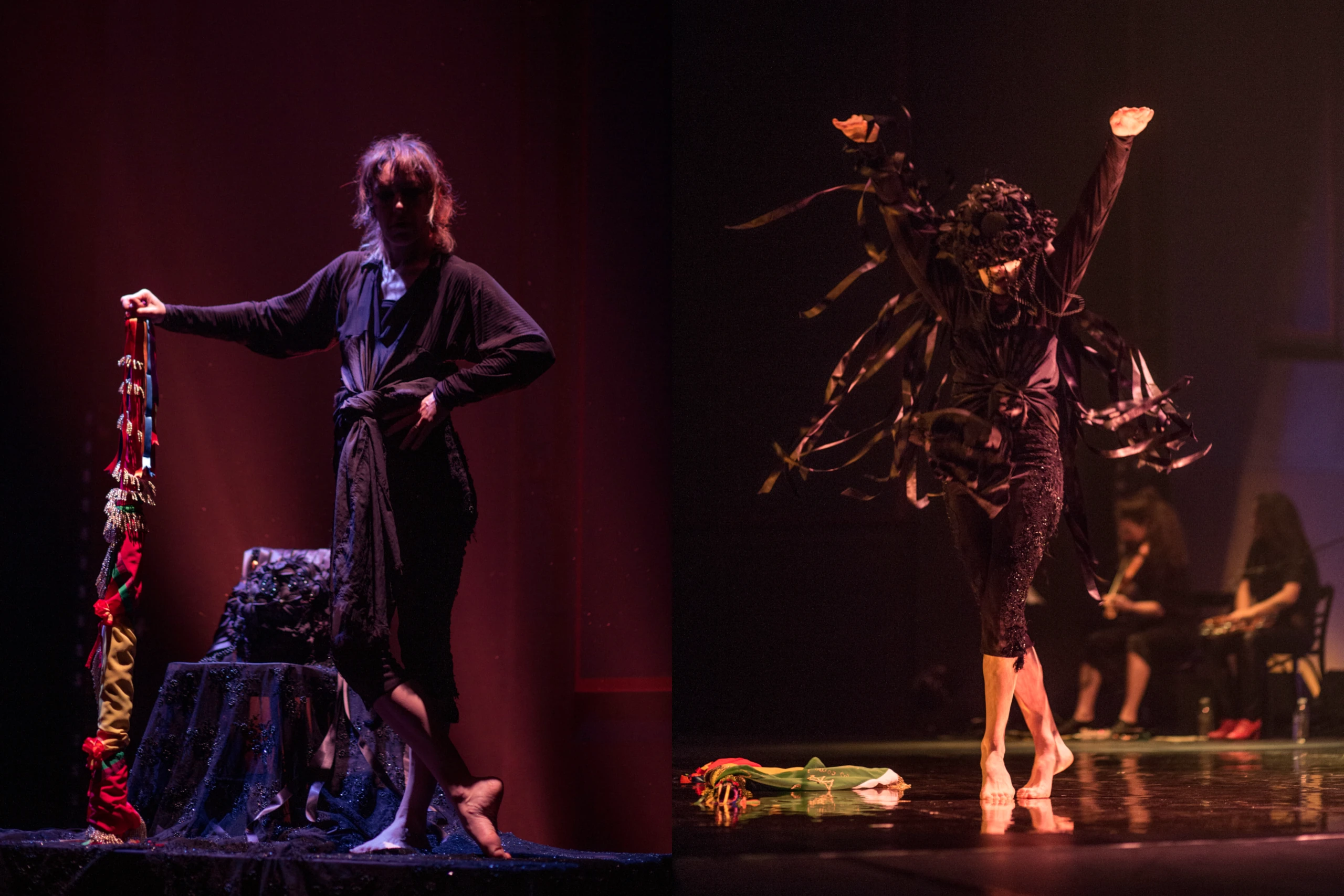
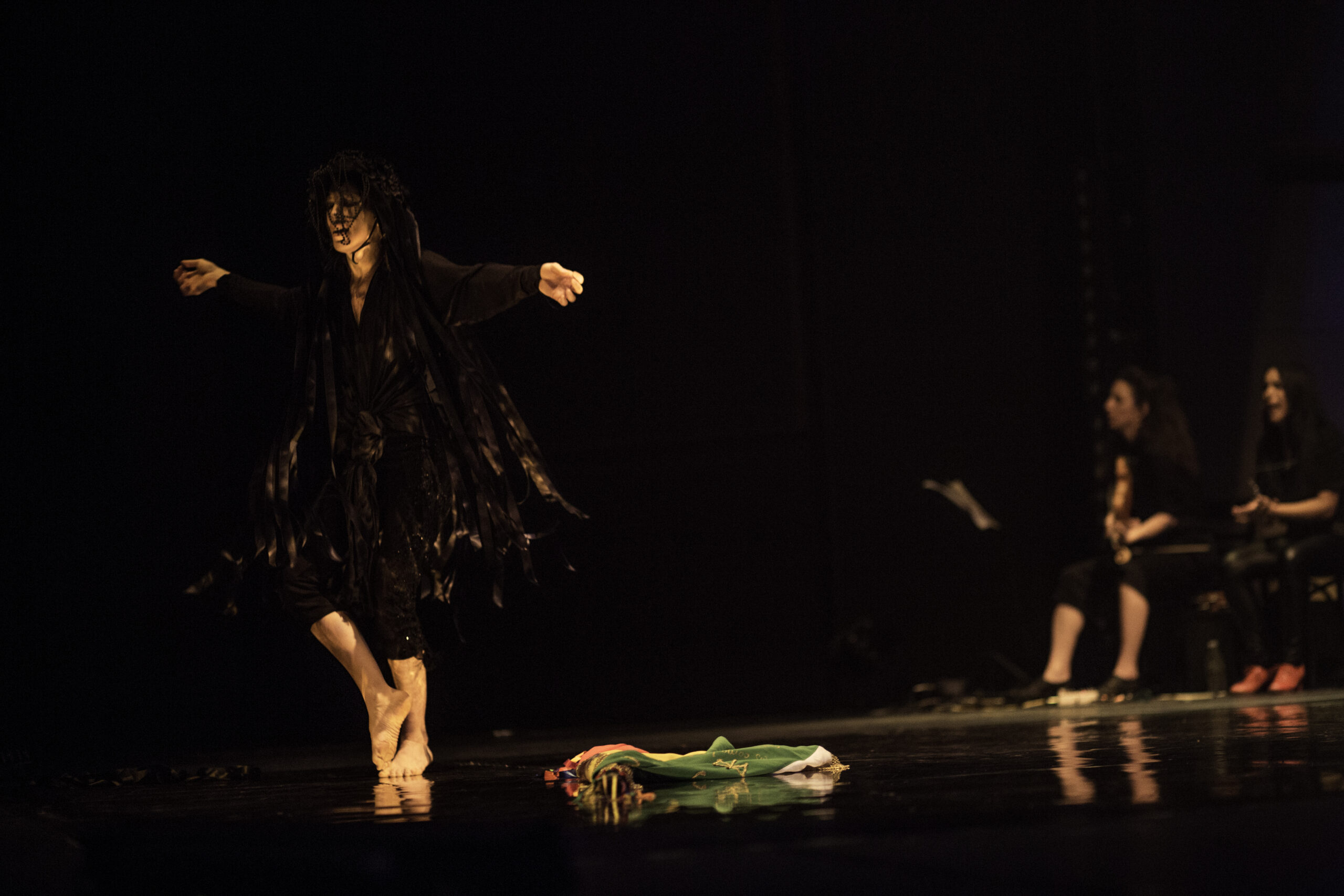
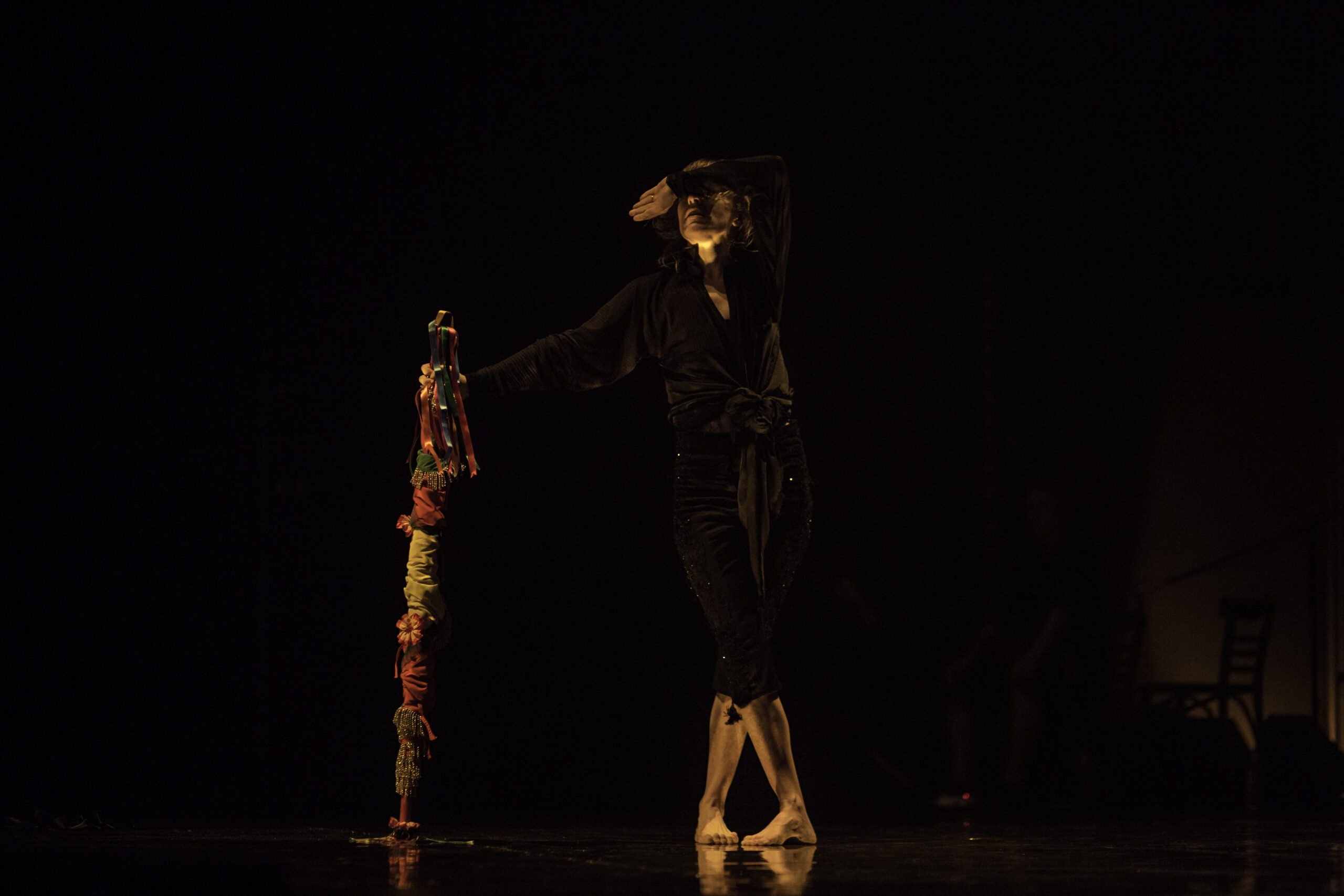
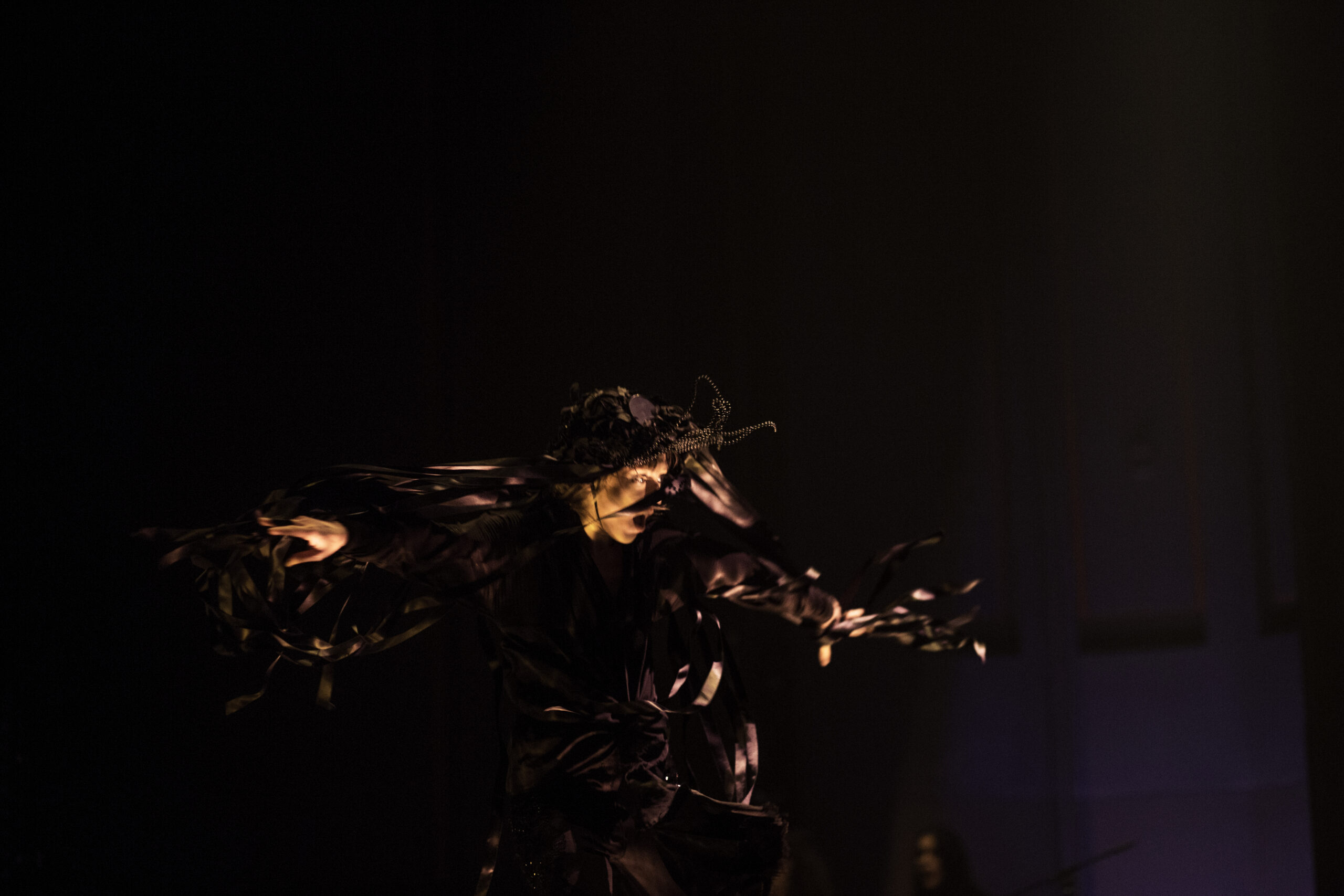
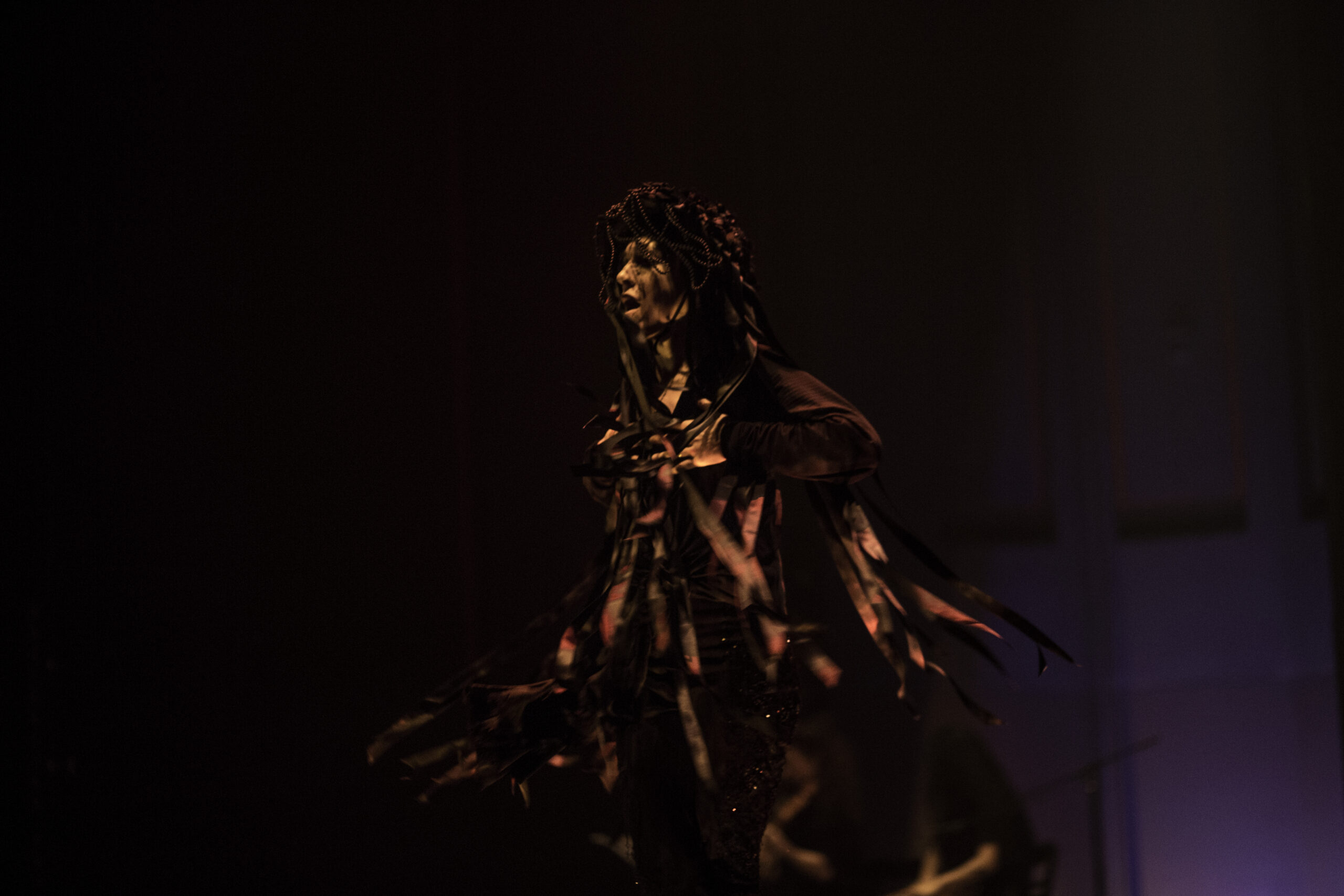
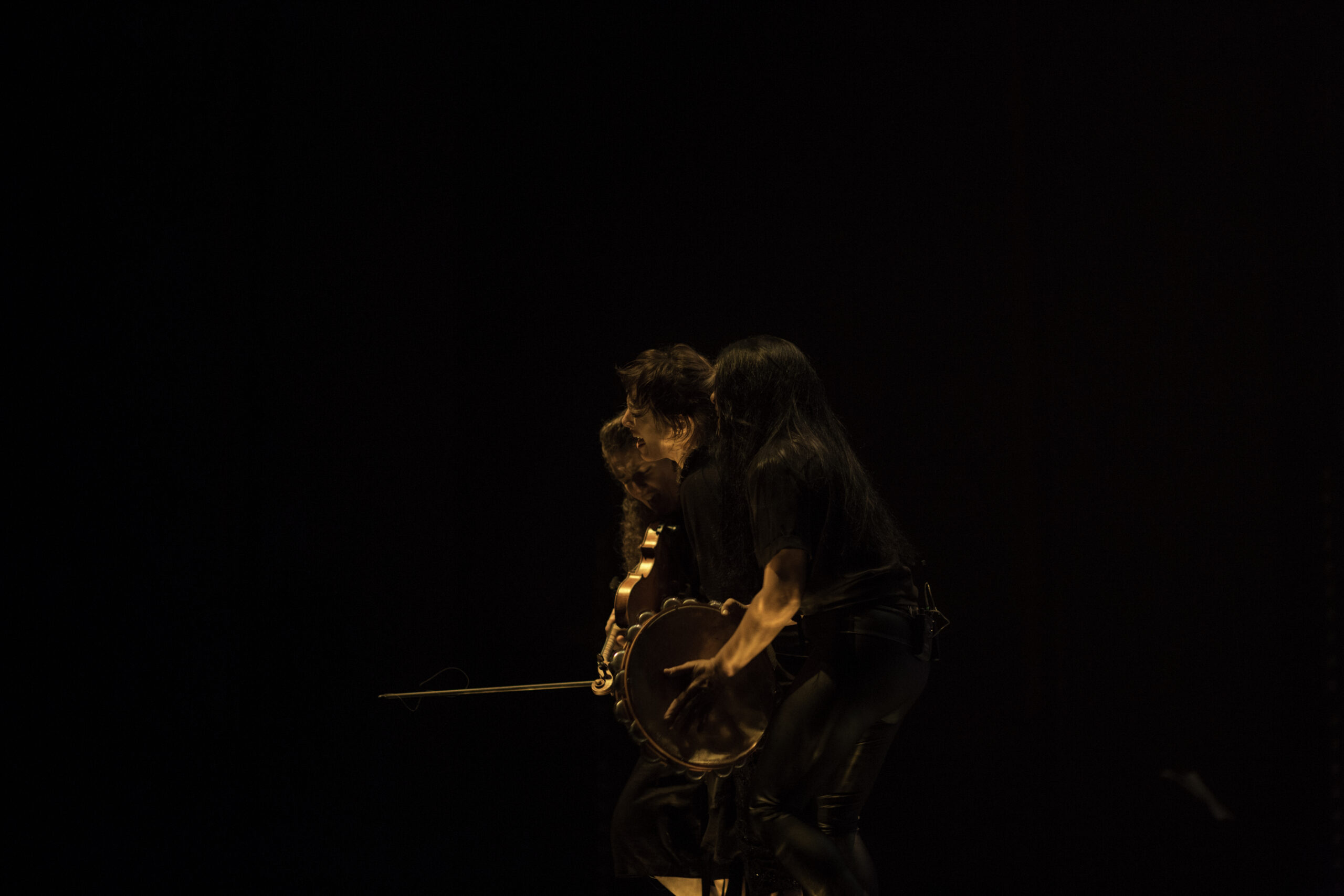
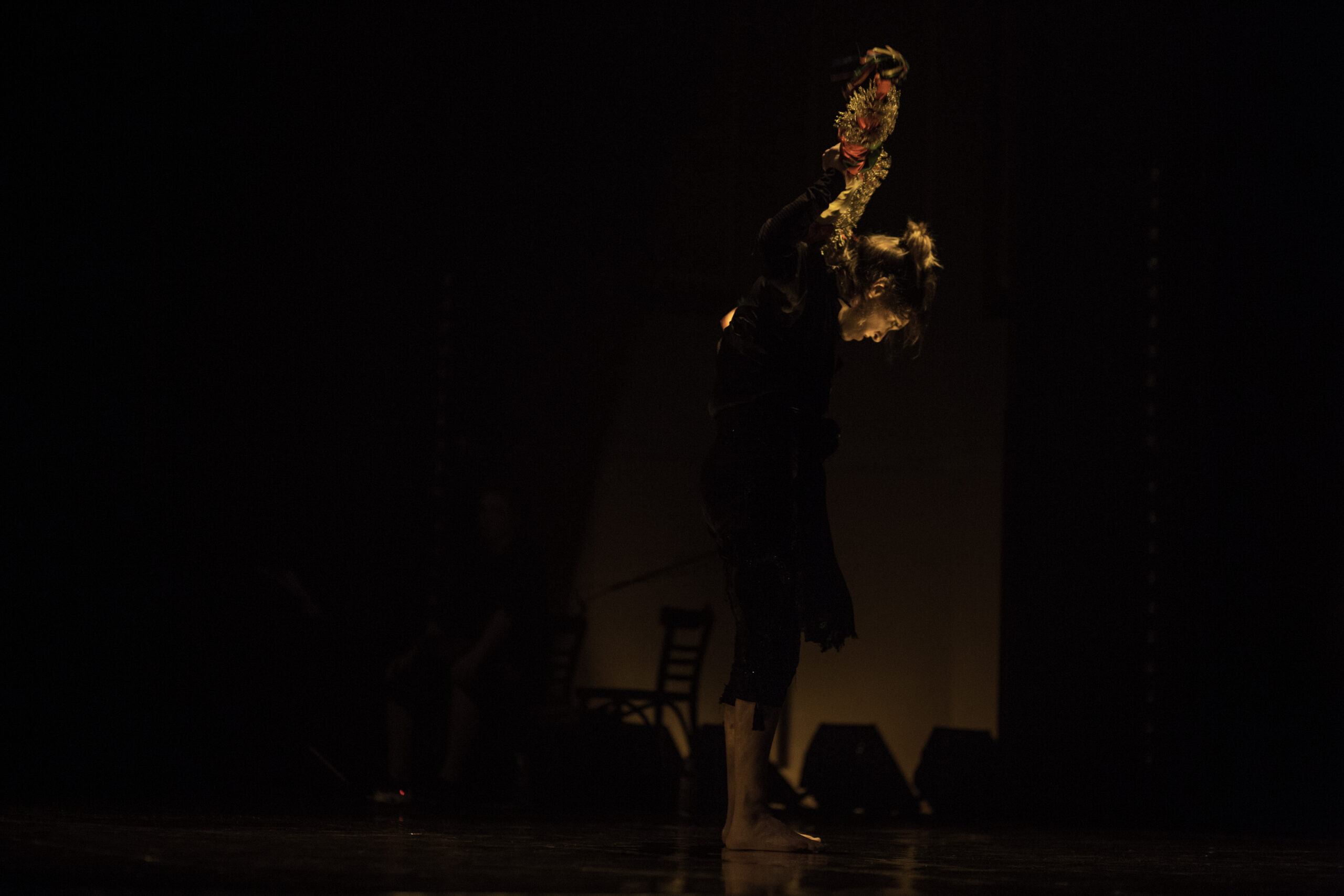
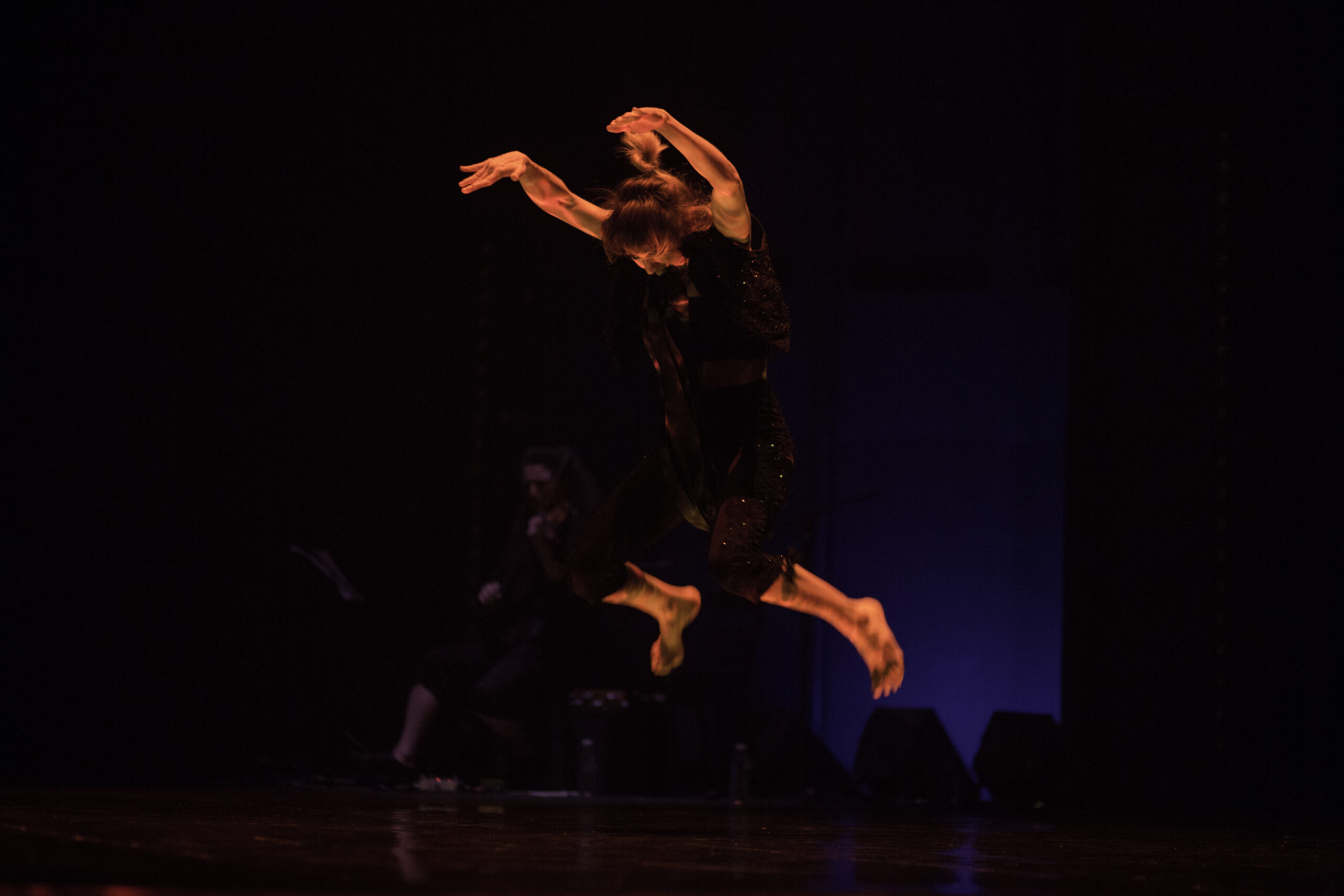
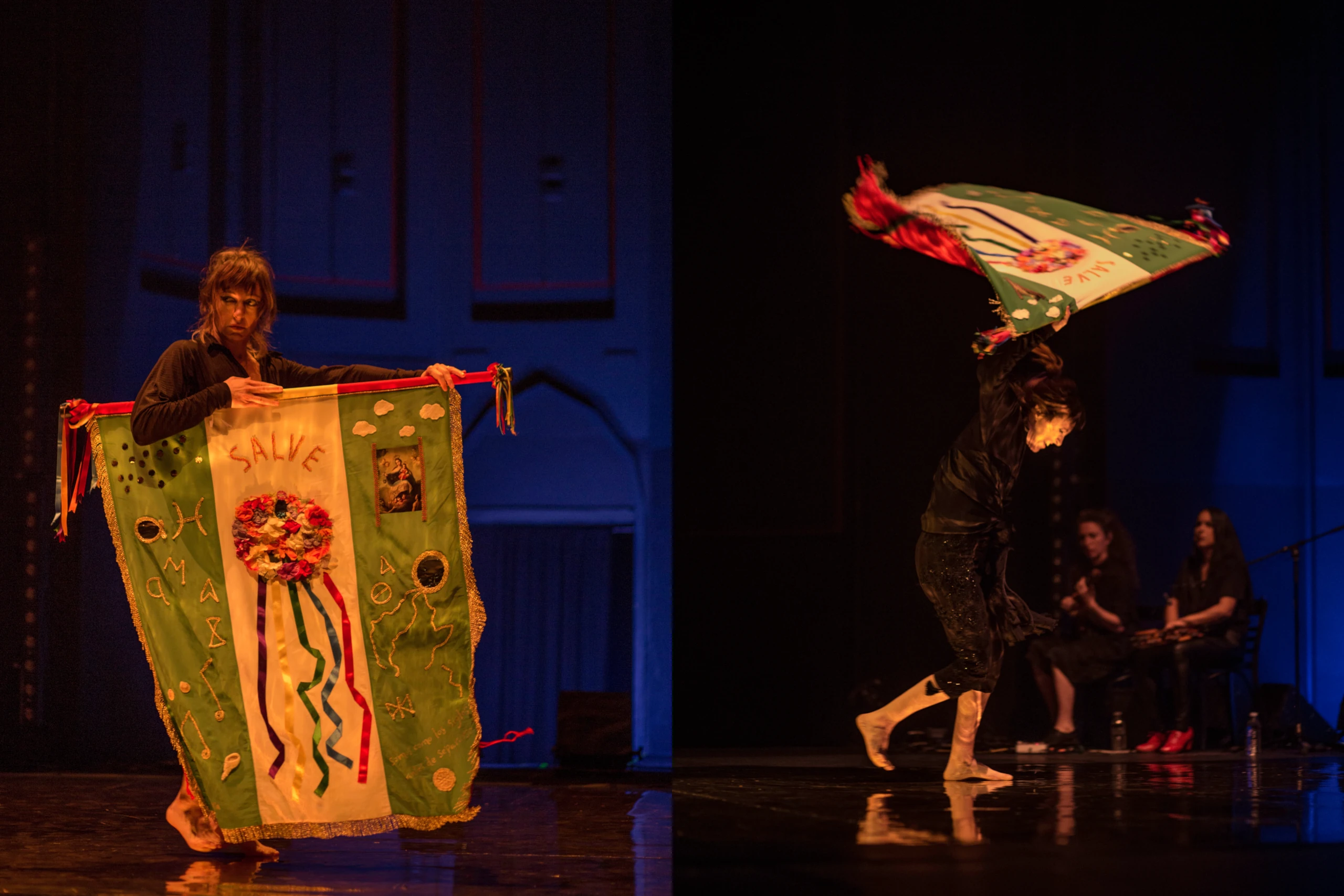
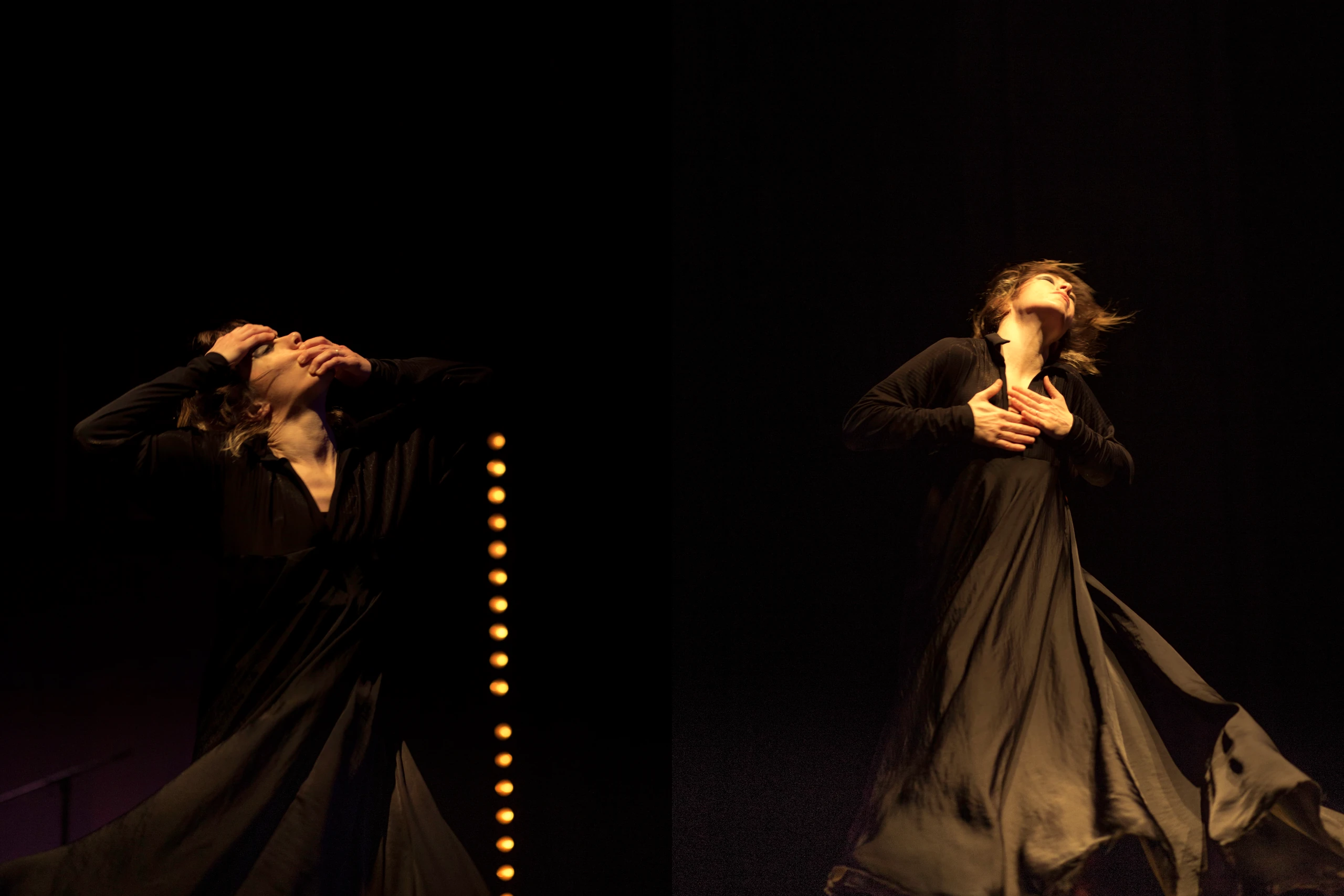
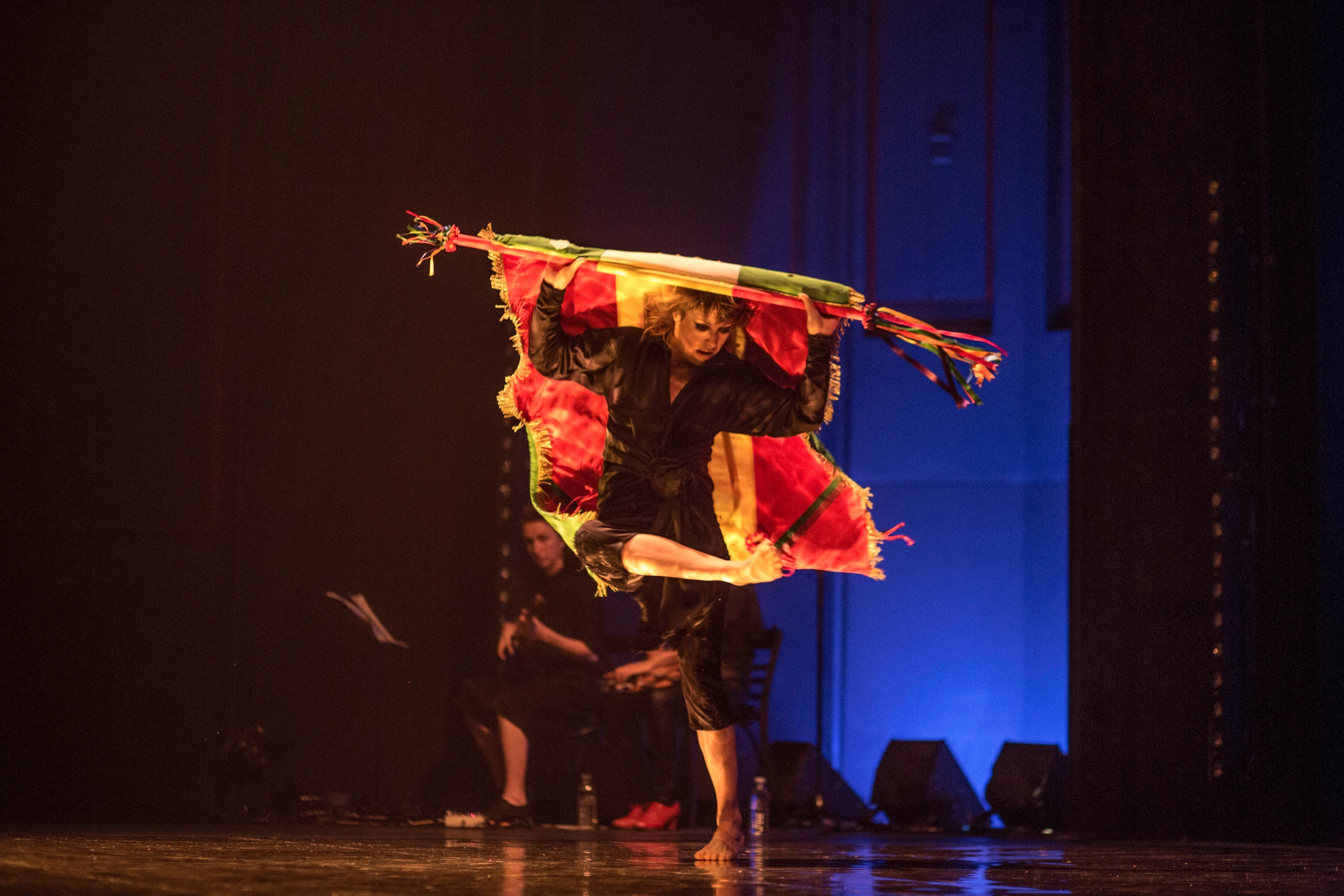
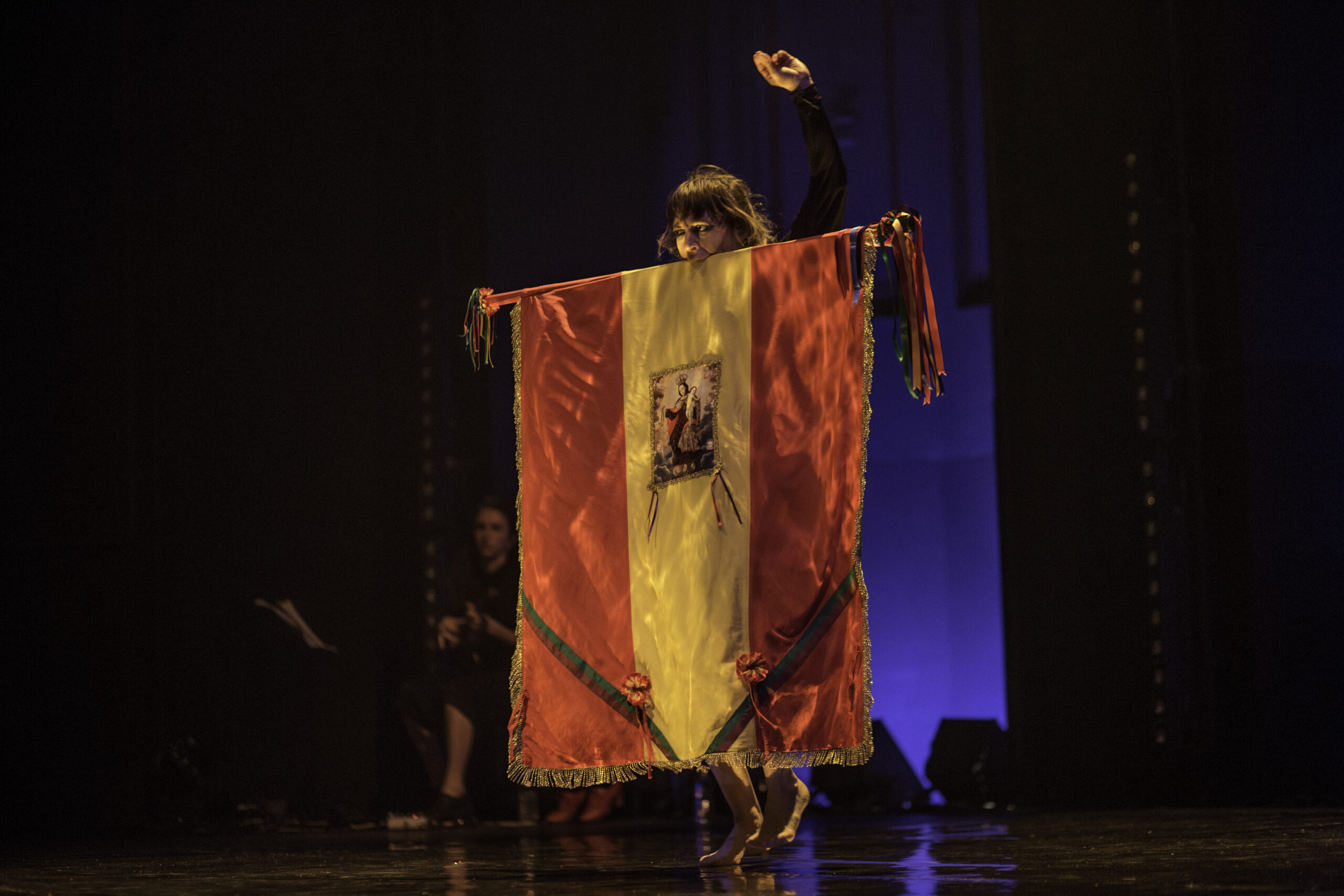
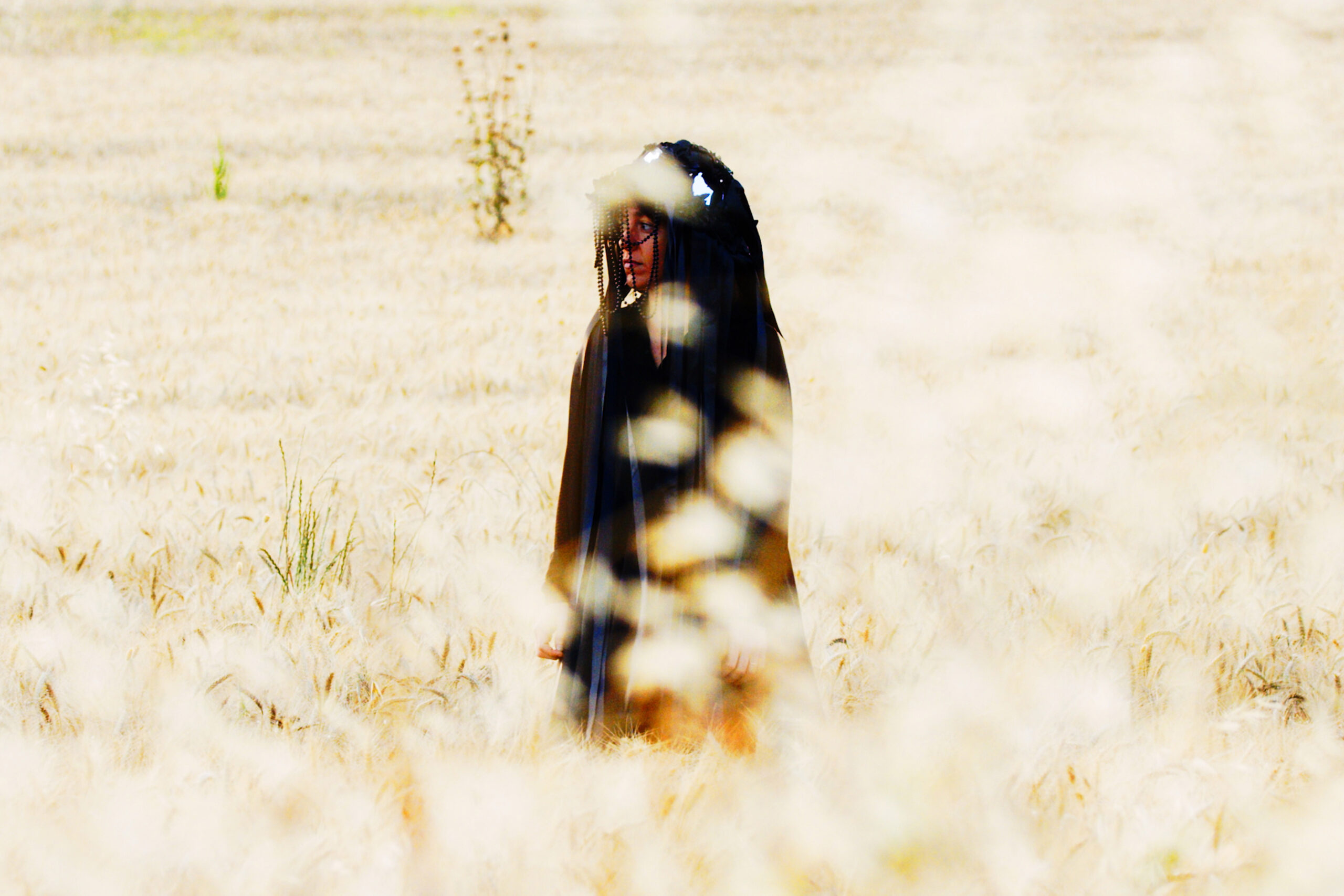
Toná emerged in the course of the various trips to Málaga that I made to visit my rather ill father. In his home, where I was raised, there was a reencounter with references, icons, symbols that I had almost completely forgotten. I recalled anecdotes and fears, reconnecting with the folklore of my childhood. I wanted to dance a feeling true to that folklore: death as a celebration of life, the “fiesta”, and a catharsis that is both individual and collective. I was working on a new project at the time with musician Luz Prado and visual artist Virginia Rota. I suggested to these two women, also from Málaga, that we explore this common poetic patrimony.
(…) Toná is born from the need to embody a broad identity, that does not strive to have its essence defined, linked organically to collective memory and popular imaginaries with all the conflicts that entails. A poetry that transmits flesh, the vital pulse, full of rage and joy, as well as of prejudices and superstitions. An ancestral and fertile pain that, from childhood onwards, gradually makes us what we are.
(…) I look for dance in bodies, its folklore, its wound, not the virtuous dance of trained bodies, but dance— human dignity summoning us, daring to stamp the floor with the force of shame. The most beautiful anger, the most open wound.